This website uses cookies to improve the functionality and performance of the website, to better understand how you use AAPA’s website and services, and to provide you with a customized experience. By continuing your use of this website, you consent to this use of cookies. See our Privacy Policy for more information.
In April, HHS announced new buprenorphine practice guidelines that exempt PAs and other qualified prescribers from federal certification requirements related to training and counseling. Here’s what PAs and PA educators need to know about the new practice guidelines.
AAPA invited PAs Lauren Eisenbeis and Jo Rolls to host Huddle’s latest Ask Me session on transgender healthcare. Eisenbeis and Rolls used their expertise from years of experience to provide advice and resources for PAs to provide trans-affirming healthcare to patients.
Lena Ward, PA-C, and Brandon Cherry, PA-C, both newly-minted PAs, will take over the hosting duties of JAAPA’s podcast in 2021. Ward and Cherry will be compelling hosts; they hope to bring new perspectives to the podcast, as well as increased audience interaction.
DeShana Collett, PhD, PA-C, and Debra Ryan, MS, PA-C, have studied the integration of genetics and genomics in delivery of care to individuals. Their involvement in precision medicine and the All of Us Research Program helps them diagnose and treat patients more effectively.
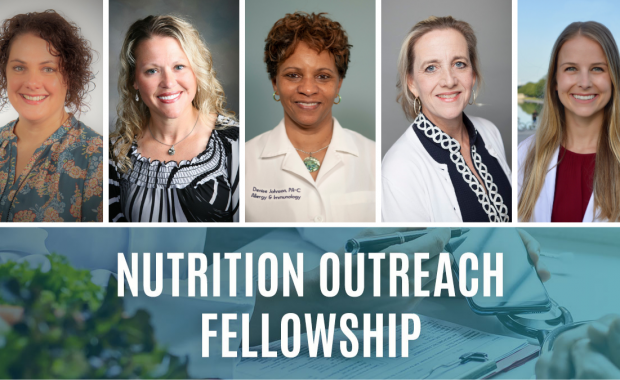
Select PAs participating in the PA Foundation’s Nutrition Outreach Fellowship have benefited from the program’s training and materials to educate patients with limited knowledge of nutrition and its impact on chronic disease. Five of the Fellows shared lessons learned with AAPA.
People with substance use disorder (SUD) face stigma on many fronts – from themselves, their loved ones, and even their medical providers. Annette Bettridge, MS, PA-C, FNP, works at a substance use treatment center and shares her insights on healthcare provider stigma.
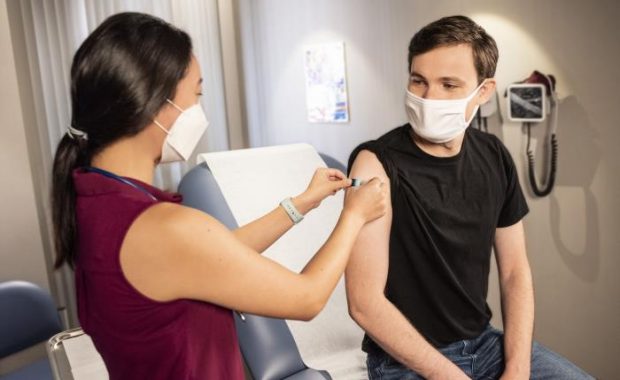
PAs and other healthcare providers are working to increase the level of vaccine confidence. An approach explained in new CME focuses on ACIP recommendations for adults 50 years and older, using new strategies to positively influence patients’ decisions to vaccinate.
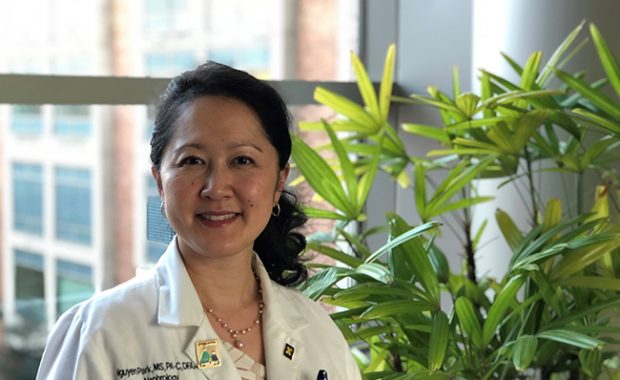
PA Nguyen Park is a passionate advocate for PAs to become involved in genomic medicine. By working in genetics, she says, PAs can make a huge difference for their patients by providing high-quality care and by increasing access to care.
PAs are in a unique position to be leaders in nutrition management on behalf of their patients. Addressing nutrition in sensitive ways can have a significant impact on patients’ health. Here are five tips for PAs as they counsel patients on nutrition.