This website uses cookies to improve the functionality and performance of the website, to better understand how you use AAPA’s website and services, and to provide you with a customized experience. By continuing your use of this website, you consent to this use of cookies. See our Privacy Policy for more information.
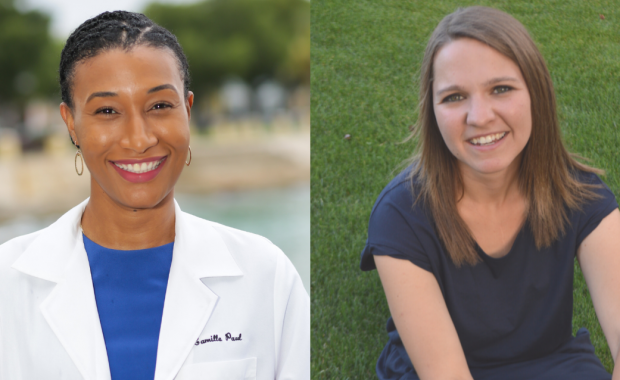
“One size fits all” medicine has numerous limitations, especially when diagnosing and treating conditions that are influenced by genetics. Panelists in the “Getting Into Your Genes” webinar discussed how an informed approach to genetics, especially one that incorporates diverse data, can inform patient care and address health disparities.
The PA Foundation’s Nutrition Outreach Fellowship provides PAs with training and resources to build on their knowledge of nutrition. This helps them to both enhance their clinical practice and to give back to their healthcare peers and communities.
The American Diabetes Association is offering free CME to PAs and other healthcare professionals in a series called Making Diabetes Technology Work. Series presenter Michael Cronyn, PA-C, MPAS, CDES, DFAAPA, encourages PAs to utilize this CME series to guide decisions about implementing diabetes management technology for patients.
Prioritizing bone health – by focusing on exercise, mobility, and a balanced diet – is one way for patients to minimize their risk of osteoporotic fractures and bone loss. Multiple studies suggest that regular consumption of prunes can help prevent bone loss and have a positive effect on bone health.
The cornerstone of the National Institutes of Health’s All of Us Research Program is building a large group of participants who reflect the diversity of the country – and a diverse community of researchers. Through the program, PAs can access a robust data set and other research tools.
Chronic kidney disease (CKD) presents both a significant challenge for patients and an enormous opportunity for providers. Many PAs in other specialties play a role in treating their patients who have CKD. Practicing in nephrology gives clinicians a solid foundation in medicine.
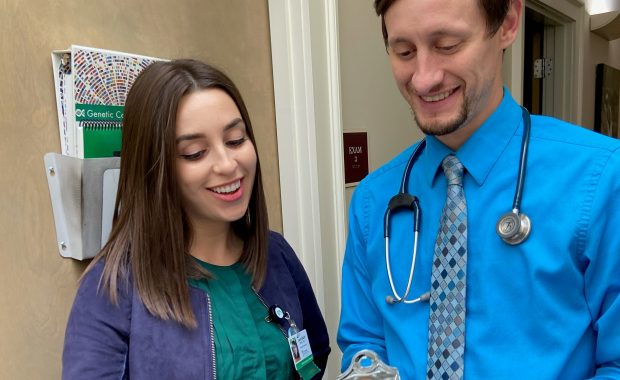
PAs Wesley Patterson and Laura Buch use genetics and precision medicine to tailor treatment plans for patients that will maximize their potential and prolong their lives. The NIH’s All of Us Research Program has a similar goal.
Across specialties, PAs have reported challenges with providing nutritional recommendations to patients with diabetes, those undergoing surgery, and the elderly. New highly interactive learning activities featuring animations, videos, and downloadable content provide insights into nutritional management for patients.